Types of Deadbolt Locks for Your Front Door
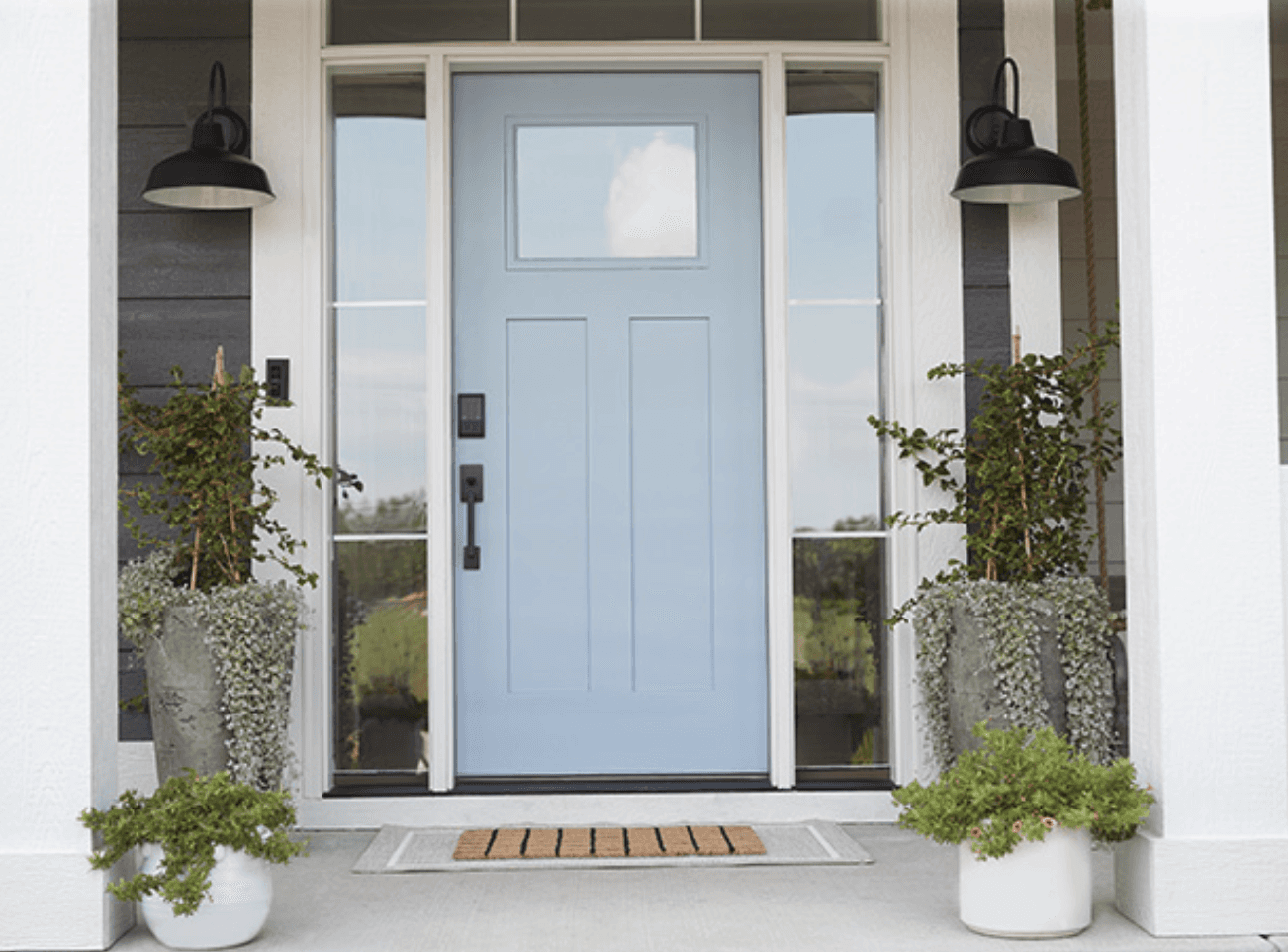
Choosing the right lock for your front door isn’t always straightforward. Whether you’ve just moved into a new home or you’re upgrading your current security, the number of options out there can feel overwhelming. This breakdown simplifies the different types of deadbolts so you can confidently choose the right hardware to protect your home.
What is a deadbolt lock?
A deadbolt is a heavy-duty locking mechanism designed to provide stronger protection than standard spring locks. It doesn’t rely on a spring, which makes it far more resistant to forced entry methods like picking or kicking. Deadbolts are operated manually—either with a key or a thumb turn—making them a reliable choice for both residential and commercial security.
Single-cylinder deadbolt
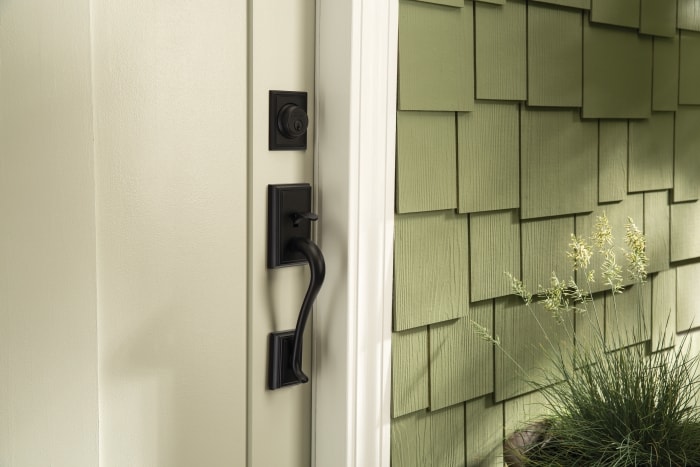
The most widely used option is the single-cylinder deadbolt. It has a key cylinder on the exterior side of the door and a thumb turn on the interior, allowing for quick locking and unlocking from inside. It’s practical, secure, and easy to use.
For better overall security, it’s often paired with a keyed knob or lever below, or installed as part of a full handleset. A complete handleset not only improves protection but also upgrades the look of your entryway, giving your front door a more polished and secure feel.
Double-cylinder deadbolt
If you’re looking to step up security, a double-cylinder deadbolt is a solid option. It’s commonly used on doors with nearby glass panels since it prevents someone from breaking the glass and simply reaching inside to unlock the door. This type of deadbolt has key cylinders on both sides, meaning a key is required to lock or unlock it from either direction. That added security comes with a tradeoff—it can slow you down in an emergency, so it’s important to consider safety and local building codes before installing one.
Electronic deadbolts
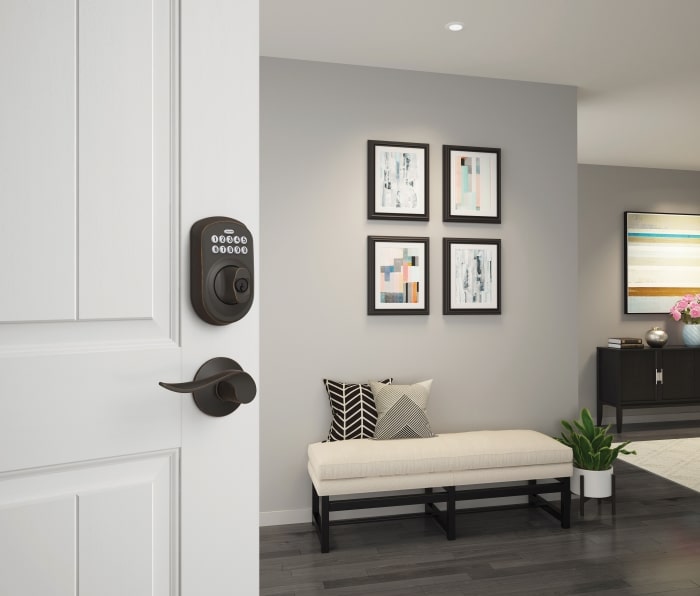
Electronic deadbolts combine the strength of a traditional deadbolt with the convenience of keyless entry. Instead of using a physical key, you unlock the door with a keypad or touchscreen by entering a programmed code. They’re a great option for households that want to simplify access for family members or eliminate the hassle of carrying keys. Just keep in mind these are not the same as smart locks—everything is programmed directly on the lock itself, with no remote access or app integration.
Smart deadbolts
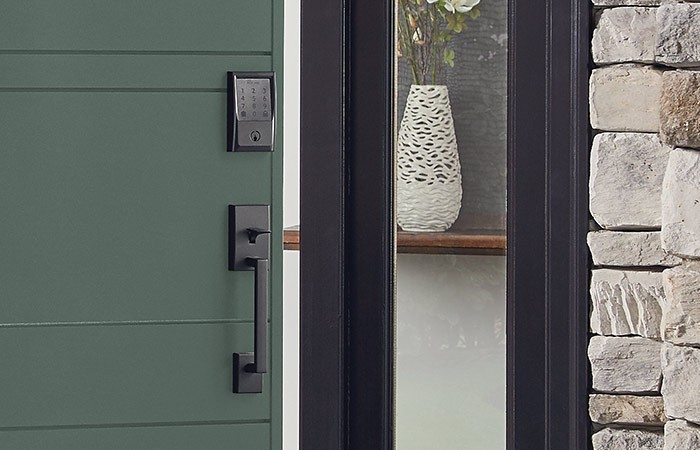
Smart deadbolts take the strength of a traditional lock and add full control from your phone. Like electronic locks, they’re built on the same solid deadbolt hardware, but they connect to your home network—either through Wi-Fi or a compatible smart home hub, depending on the model.
Once connected, you can lock, unlock, and manage access from anywhere using your smartphone. You can also create schedules, assign temporary codes, and integrate your lock with other smart home devices to match your routine.
Forgot to lock the door on your way out? You can check and secure it remotely in seconds. Want hands-free control? Many smart locks work with voice assistants, so you can lock up without even leaving the couch.
Choose a deadbolt you can rely on
No matter which style of deadbolt you go with, the real priority is trust and proven performance. Look for locks that carry the highest Builders Hardware Manufacturers Association (BHMA) rating—AAA—across security, durability, and finish. That rating tells you the lock has been tested to handle real-world wear and forced entry attempts.
A strong warranty matters too. A lifetime warranty is a clear sign the manufacturer stands behind its product long-term. And don’t ignore reputation—real-world feedback speaks volumes.
Brands like Schlage are installed in millions of homes and consistently earn high customer ratings, making them a reliable choice when security isn’t something you’re willing to gamble on.